For businesses, institutions, and facilities that rely on uninterrupted power, ensuring the reliable, cost‑effective operation of diesel generator sets is very important. This blog discusses practical strategies that will help improve the efficiency of your diesel generator set, enabling you to minimize fuel costs, reduce downtime, extend equipment life, and decrease total operating costs.
1. Choose the Right Size and Configuration
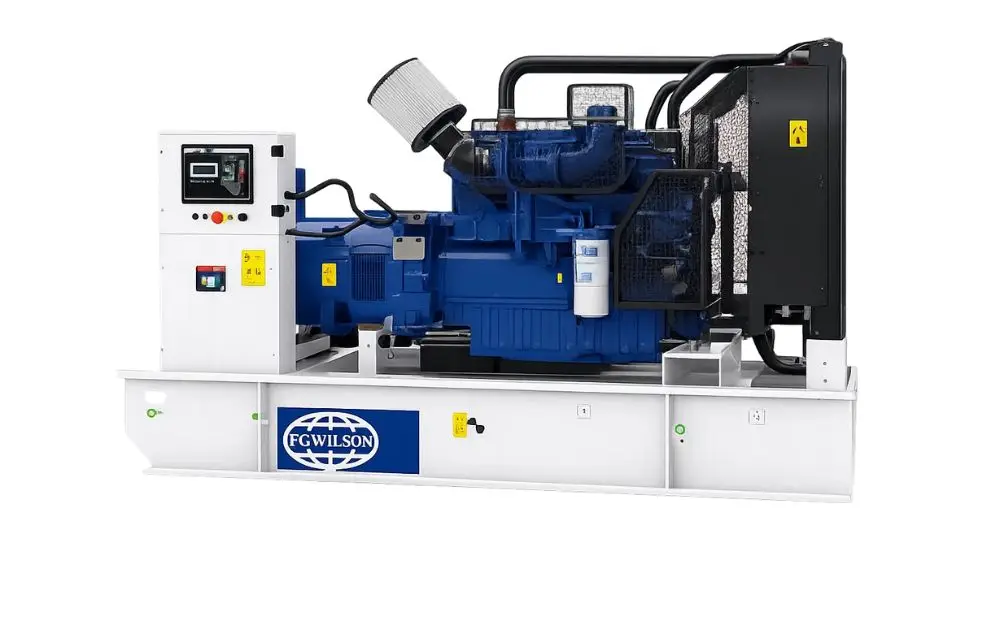
A principal factor in efficiency is selecting an appropriately sized generator set for your load. An oversized generator will often operate at low load factors, which result in poor fuel efficiency, incomplete combustion, and increased maintenance. On the other hand, an undersized unit can be overstressed and deteriorate faster.
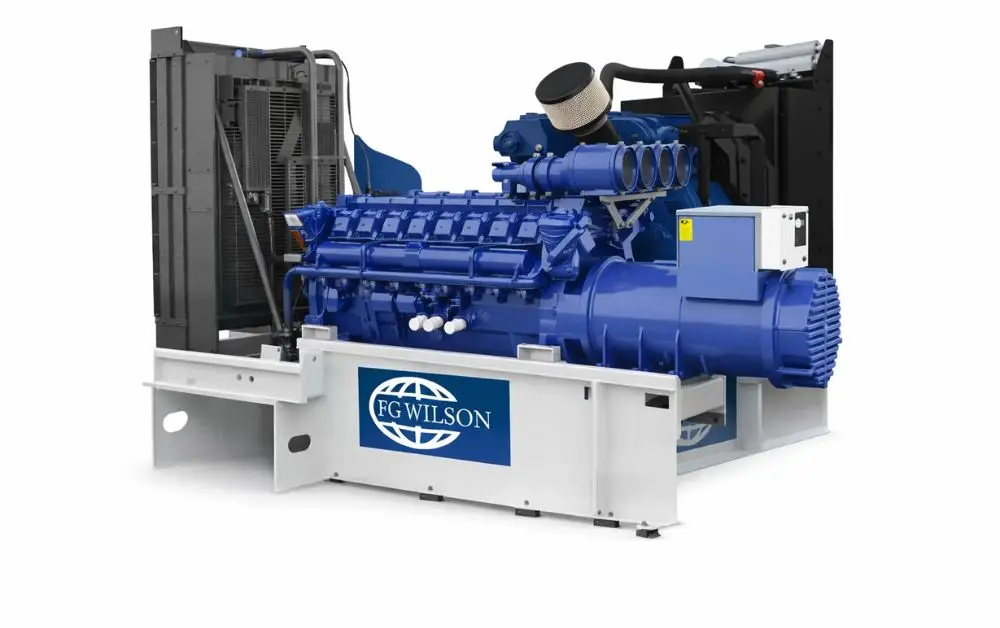
Working with a trusted distributor, you can access a range of generator sizes, from small units to large-scale units. The breadth means you can align your diesel generator set to match your actual load profile, rather than buying “just in case” capacity.
2. Maintain Optimal Load Factor
Operating a diesel generator at too low a load (for example, below 30% of rated load) can lead to increased fuel consumption per kWh, carbon build‑up, wet stacking, and shortened engine life. To improve efficiency:
- Regularly monitor the load profile and ensure the generator is loaded to a healthy percentage of its capacity, or consider downsizing.
- For applications where several generator sets are utilized, consider sequencing them so fewer units operate at higher load rather than many units lightly loaded.
- For standby systems, the generator should be periodically operated under load – not just “no load” test runs – to cycle the components and maintain engine integrity.
3. Regular Preventive Maintenance
A well-maintained diesel generator set will operate closer to its designed fuel efficiency and performance. Key maintenance tasks include:
- Changing engine oil, filters (fuel, oil, air) on schedule.
- Cleaning or replacing air filters to avoid increased engine work from restricted airflow.
- Ensuring the cooling system works well: clogged-up radiators or a lack of coolant will increase the engine temperature and lower efficiency, hastening wear.
- Checking exhaust and turbocharger systems for deposits or back-pressure problems that limit performance.
- Verification of the fuel supply system-fuel filters, water separators, and injectors. In other words, clean fuel means better combustion, less waste, and fewer emissions.
By partnering with a specialist supplier, you also get access to genuine parts and service support designed for the generator sets they deliver.
4. Utilize Advanced Control & Monitoring Systems
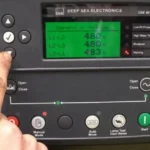
Modern diesel generator sets come fitted with digital control systems, remote monitoring, and management functions. These allow you to monitor the performance data, such as fuel consumption, load level, run hours, and temperatures, that help in the proactive identification of inefficiencies.
For example, if fuel consumption is trending upward for the same output load, it may indicate a maintenance issue or less-than-optimal operation. Through monitoring, you will be able to intervene sooner and correct the issue before it becomes a larger problem.
5. Improved Fuel Quality and Storage
Fuel quality and proper storage are often overlooked but essential for efficient operation:
- Water content, microbial contamination, and degraded quality in diesel can lead to a reduction in engine efficiency and an increase in maintenance costs.
- Keep fuel tanks clean; make sure water separators are functioning and that fuel is treated/filtered if stored long‑term.
- Consider fuel‑polishing systems or scheduled fuel turnover to maintain the fuel in the best possible condition.
- If the ambient conditions are extreme, either hot or cold, make sure the fuel selected is suitable for those conditions.
Clean, high-quality fuel ensures the diesel generator set operates as designed — delivering optimal output for fuel input.
Related read:-Maintenance Tips for Industrial Diesel Generators in Harsh Qatar Climate
6. Enhance Cooling & Airflow
Especially in harsh environments, such as hot climates or dusty regions, it is essential to ensure that the cooling and air intake systems of the generator are free from obstruction:
- Ensure radiator fins are clean, airflow is unimpeded, and ambient air is not excessively hot.
- Verify that there is sufficient ventilation around the generator enclosure or room, and that the exhaust has adequate clearance.
- Ambient temperature inside the enclosure should be monitored for installations in containerized/room settings; too high ambient temperature can reduce engine output and increase fuel burn for the same load.
- For challenging environmental installations, consider designing climate-specific or “low-noise” containerized solutions.
7. Implement Load Management & Standby Strategies
If your diesel generator set is a standby unit primarily, you should still make sure the system is primed to be efficient when called upon:
- Test the unit under load regularly to keep it in “ready” status.
- If you have multiple generators, develop load-sharing and auto‑start logic so a single unit runs up to a certain threshold before bringing a second unit online. This prevents several generators from running lightly loaded.
- In some cases, using the propane/gasoline alternative or hybrid approach may make sense for small loads, but for large industrial loads, diesel remains efficient.
8. Periodic Review & Upgrade Strategy
Efficiencies can degrade over time due to wear, newer technologies, or changing load profiles. Regular reviews should address:
- Is the size of the generator currently installed appropriate for your load? Downsizing or adding a more efficient unit makes sense.
- Are there new models that offer better fuel efficiency or better emissions compliance to provide operational savings?
- Couldn’t improvements to either the control system or fuel‑monitoring accessories optimize this further?
- For example, as your load profile changes-e.g., part of the facility decommissioned-you might move from one large running generator to two smaller units in sequence, running whichever is fully loaded rather than one oversized unit lightly loaded.
Conclusion
Correct sizing, modern monitoring, proactive maintenance, fuel‑quality discipline, and intelligent load management together give you the power to enhance the efficiency of your diesel generator set significantly. Taking these steps will improve fuel economy, extend equipment life, reduce downtime, and increase the overall return on investment for your diesel generator set. With a trusted partner, you can rest assured that not only do you have the right equipment, but also access to support and expertise to maximize performance and reliability.