Power reliability is a fundamental requirement for businesses across Qatar, from large industrial facilities and commercial complexes to smaller enterprises that simply cannot afford the disruption of an unexpected outage. When evaluating options for backup power, one of the first decisions a business must make is whether a portable generator or a permanently installed standby unit is the right solution. The answer is not always obvious, and making the wrong choice — either undersupplying your needs with a portable unit or overinvesting before you are ready for a full standby system — can create operational and financial problems. Laurus Technologies LLC, Qatar’s authorised FG Wilson distributor, helps businesses work through this decision with a clear understanding of what each option genuinely provides. Understanding the role of diesel generator control panels in standby systems is also key to making an informed choice.
What a Portable Generator Can and Cannot Do
A portable diesel generator is a compact, self-contained unit designed primarily for mobility and convenience. It can be moved to where power is needed, connected to equipment via standard power outlets or direct cabling, and operated for as long as its fuel supply lasts. The advantages of a portable generator are its flexibility and relatively low initial cost. However, these advantages come with meaningful limitations that make portable generators unsuitable for many business applications.
Portable generators must be started manually — typically by a person who is physically present at the machine and aware that power has been lost. This means there is always a delay between the power outage and the generator coming online, which may be acceptable for some uses but is completely unacceptable for applications like server rooms, medical equipment, refrigerated storage, or continuous industrial processes. Portable generators also have limited power capacity, require regular manual refuelling, and are typically noisier than permanently installed alternatives.
When Portable Generators Are the Right Choice
- Temporary construction sites in early phases without permanent power infrastructure
- Remote outdoor locations requiring occasional, short-duration power supply
- Small retail or office premises where power outages are very infrequent and brief
- Events requiring temporary power in locations without grid access
The common thread in all of these applications is that the power need is temporary, the load is limited, and a brief delay in power supply is acceptable. If your business situation does not match these characteristics, a portable generator will leave you frustrated and underserved.
Suggested Read-Manual vs. Automatic Generator Control Panels: Which is Right for You?
What a Standby Diesel Generator Provides
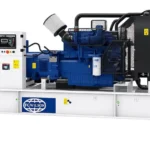
A standby diesel generator is a permanently installed power system connected to your facility’s electrical infrastructure through an automatic transfer switch. When the grid supply fails, the control system detects the outage and starts the generator automatically, typically bringing it to full operating speed and transferring the load within ten to thirty seconds. This happens without any manual intervention and regardless of whether anyone is present in the facility at the time.
Standby generators are available across a wide range of power outputs, from units suitable for small commercial premises up to large industrial systems capable of powering entire manufacturing complexes. They are designed for extended run times, often powered by large fuel tanks that can sustain operation for many hours or days without refuelling. They are housed in acoustic enclosures that significantly reduce operational noise, and they are connected to building management systems that allow remote monitoring and control.
The Critical Role of Diesel Generator Control Panels in Standby Systems
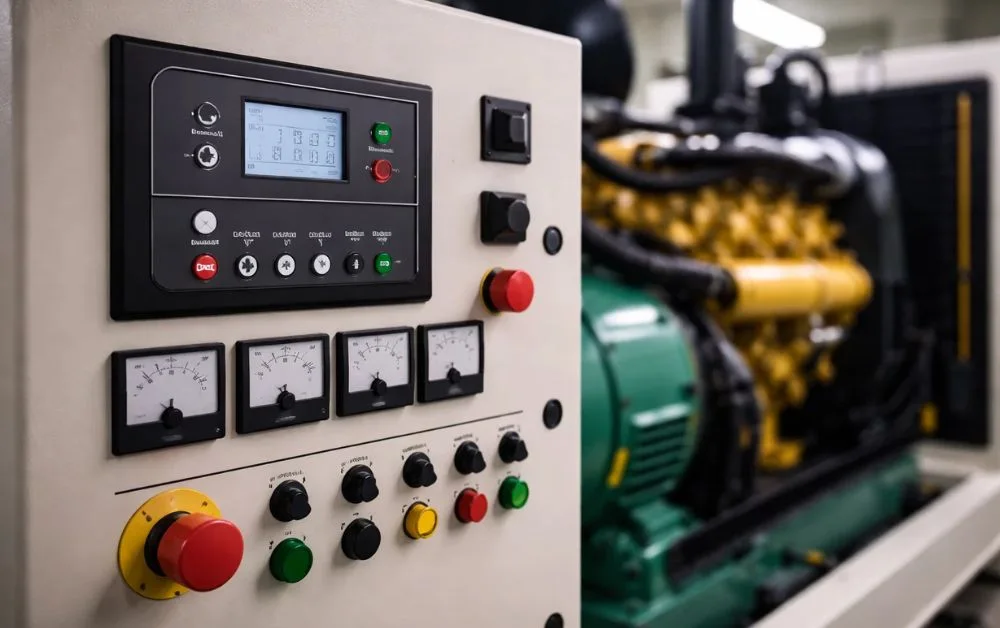
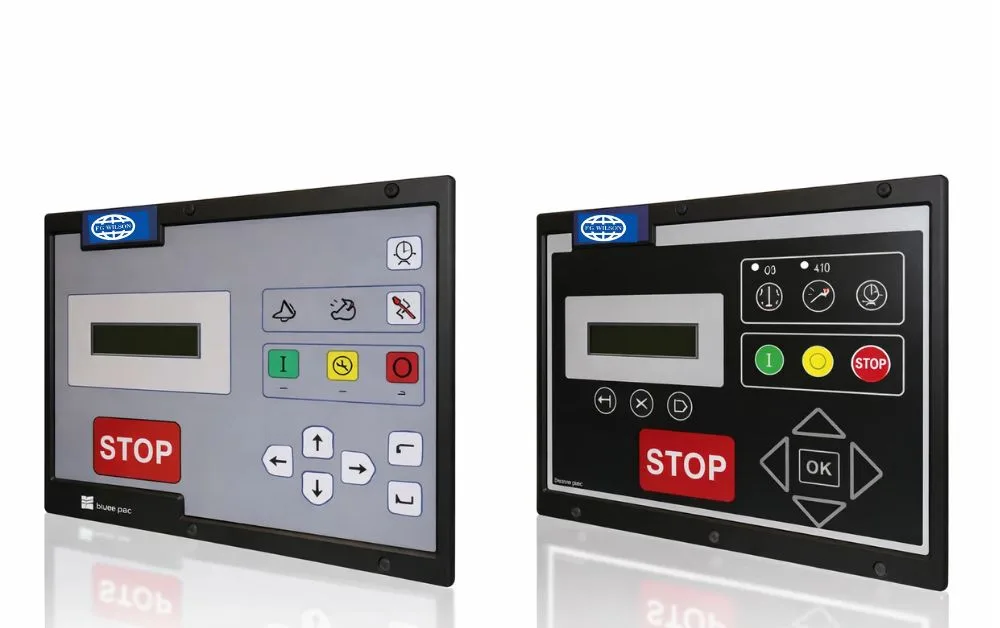
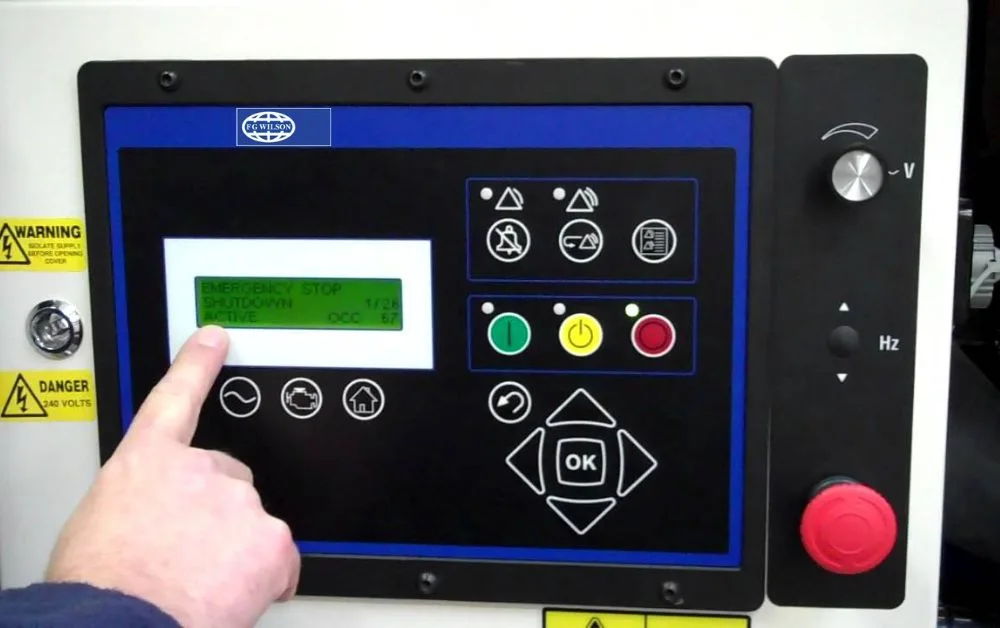
A standby generator’s ability to function automatically and reliably depends entirely on the quality and condition of its diesel generator control panels. The control panel continuously monitors the incoming mains supply and detects a failure within milliseconds. It manages the engine start sequence, verifies that the generator has reached the correct voltage and frequency before transferring the load, monitors all engine operating parameters throughout the run period, and controls the return to mains power and engine shutdown when the grid is restored.
Modern diesel generator control panels also provide data logging of all start events, faults, and run hours, which is invaluable for maintenance planning and compliance reporting. Remote monitoring capability allows facilities managers to check generator status and receive fault alerts via mobile device, even when they are off-site. Investing in a generator with a high-quality control panel is investing in the intelligence that makes automatic backup power work effectively.
Making the Right Decision
The decision ultimately comes down to how critical uninterrupted power is to your operations and what your realistic power load requirements are. If power interruption is merely inconvenient, a portable generator may suffice. If power interruption causes financial loss, safety risks, or operational failure, a standby generator with a reliable automatic control system is the only responsible choice.
Conclusion
Portable generators and standby generator systems serve genuinely different purposes, and understanding those differences is the key to making the right investment. For businesses in Qatar that need automatic, reliable backup power, a permanently installed standby system with high-quality diesel generator control panels is the solution that delivers real confidence. Laurus Technologies LLC provides expert guidance and genuine FG Wilson standby generator solutions to help Qatar businesses make the right power investment for their specific needs.