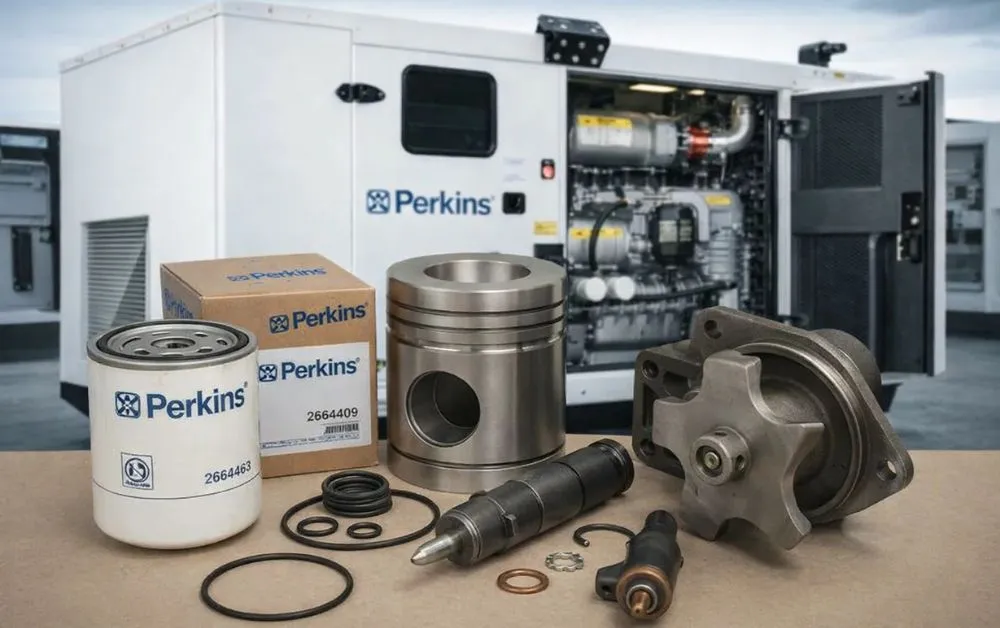
Perkins engines are known for their durability and reliability in industries like agriculture, construction, and manufacturing. However, even the toughest engines need regular maintenance to keep them running smoothly. Proper care of your Perkins engine parts is main to preventing breakdowns, extending their lifespan, & ensuring peak performance. Here are some practical tips on how to maintain your Perkins components and keep them in top shape.
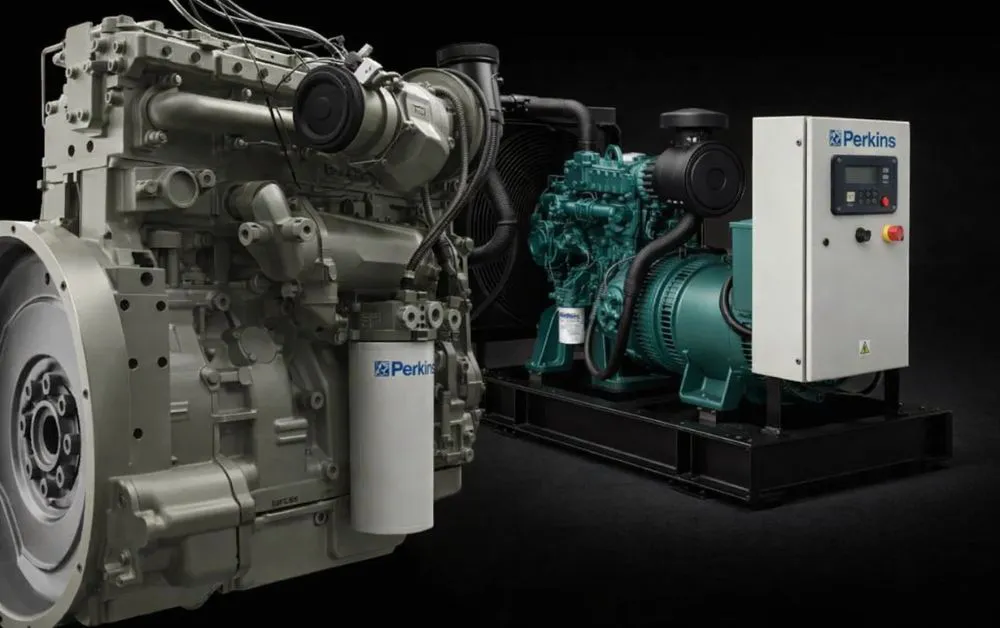
Regular Inspection and Monitoring: Catch Problems Early
One of the simplest ways to ensure your engine components last is by regularly inspecting them. By staying on top of minor problems, you can prevent major problems down the road.
- Visual Checks: Look for cracks, corrosion, or oil leaks on key components like fuel injectors, filters, & seals. These small signs can tell you a lot about the health of your engine.
- Performance Monitoring: Pay attention to any unusual engine behavior, like excessive vibrations or smoke, as they could point to internal issues.
- Scheduled Diagnostic Tests: Many modern Perkins engines come with diagnostic tools that can help you monitor performance. These tools can highlight problems before they escalate.
Creating a routine inspection schedule helps prevent costly downtime and keeps your engine running longer and more efficiently.
Proper Lubrication: Keep Things Running Smoothly
Lubrication is one of the most important maintenance tasks. Without it, friction between moving parts can cause overheating, wear, or even engine failure.
- Use the Right Oils: Always use oils and lubricants that meet Perkins’ specifications. Choosing the wrong type can cause performance issues.
- Regular Oil Changes: Stick to the recommended oil change intervals to ensure your engine remains in top condition.
- Monitor Oil Levels: Low oil levels might lead to severe damage. Make it a habit to check your oil regularly and top it off if needed.
Proper lubrication helps reduce wear on the engine, keeping the moving parts in good condition for longer.
Related read:-How Perkins Parts Fit into Sustainable Engine Practices?
Cleanliness and Filtration: Keep Contaminants at Bay
Dirt, dust, and water can do a lot of damage to engine components if not kept in check. Keeping your engine clean and maintaining your filters is essential.
- Air Filters: Dirty air filters might restrict airflow, putting extra strain on the engine. Replace them regularly as per the service schedule.
- Fuel Filters: Contaminated fuel can damage injectors and pumps. Be sure to change fuel filters on time to keep everything running smoothly.
- Coolant Systems: Debris can clog your cooling system, leading to overheating. Check coolant levels & ensure the system is clear of any blockages.
By maintaining cleanliness and ensuring proper filtration, you can prevent contaminants from damaging sensitive engine components, extending their life.
Proper Handling and Installation: Do It Right the First Time
Even the best components can fail if they’re not handled correctly during installation or maintenance.
- Use the Right Tools: Always use specialized tools when replacing parts. This drops the risk of causing damage to sensitive components.
- Follow Torque Specifications: Tighten bolts to the manufacturer’s recommended torque. Over-tightening or under-tightening can cause damage to parts.
- Prevent Contamination: Keep new parts clean & ensure they’re compatible with your existing components before installation.
Proper handling during installation ensures that parts fit correctly and work as they should, preventing premature failure.
Timely Replacement of Worn Components: Don’t Wait Until It’s Too Late
Every engine part has a limited lifespan, and recognizing when to replace components is crucial for preventing bigger issues down the road.
- Monitor Wear: Parts like belts, gaskets, and seals should be inspected regularly for wear & tear. Look for fraying, cracking, or deformation.
- Replace Before Failure: Do not wait for parts to break down completely. Proactively replacing them helps prevent more serious damage to the engine.
- Keep a Maintenance Log: Keeping track of your inspections and replacements makes it easier to stay ahead of future maintenance needs.
By replacing worn-out parts before they fail completely, you’ll reduce the risk of other components being affected, keeping your engine running smoothly.
Environmental Considerations: Protecting Your Engine from Harsh Conditions
Operating conditions play a big role in how long your engine components last. Engines exposed to extreme temperatures, dust, or moisture require extra care.
- Manage Temperature: Ensure the cooling system is working properly to prevent the engine from overheating, especially in harsh conditions.
- Use Protective Covers: When possible, shield your equipment from dust, rain, and UV damage with protective covers or shelters.
- Adapt Maintenance Routines: If your engine works in a high-stress environment, like a dusty or hot area, you may need to inspect, lubricate, and replace parts more frequently.
Adjusting your maintenance routine to fit your environment ensures that the engine components can withstand the elements and continue performing reliably.
Conclusion
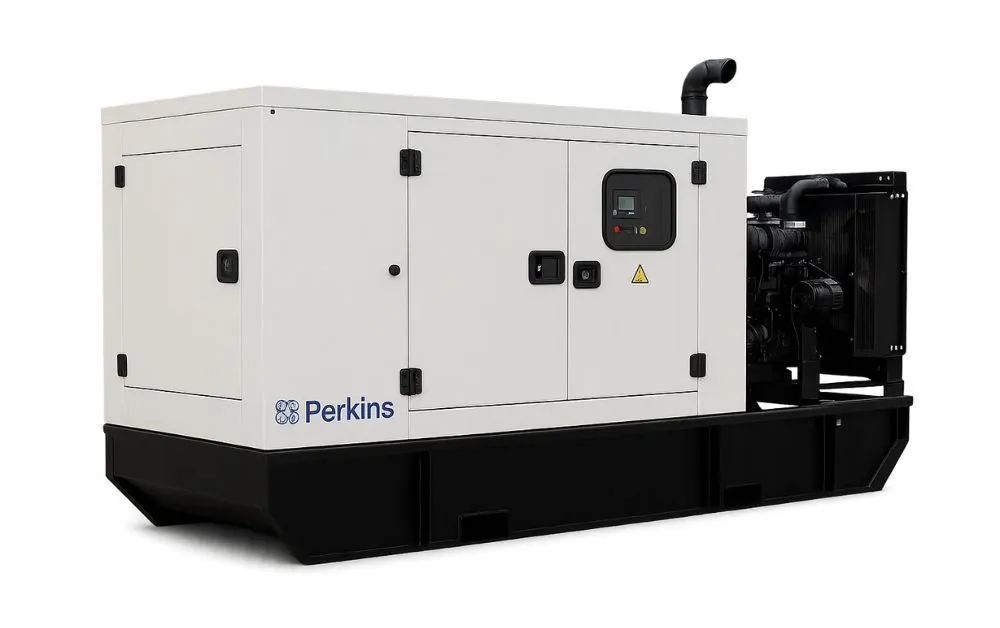
Maintaining Perkins engine parts for longevity requires a combination of regular inspection, proper lubrication, cleanliness, careful handling, timely replacement of worn components, & awareness of environmental conditions. By following these strategies, you can keep your Perkins engine running at peak performance, avoid costly breakdowns, & extend the life of your machinery.
If you need high-quality Perkins parts or expert advice on engine maintenance, Laurus Technologies LLC offers trusted solutions to keep your equipment running smoothly & efficiently for years to come.