In Qatar’s demanding backup power environment — where generators must start reliably after extended standby periods in extreme heat, transfer loads within seconds during emergencies, and operate continuously under potentially severe conditions — the Generator Control Panels that manage these functions are as critical to system reliability as the engine and alternator they control. Understanding what quality control panels provide and how to specify them correctly for Qatar applications is essential knowledge for any engineer or facility manager responsible for backup power system design.
AMF Control Panel Requirements for Qatar
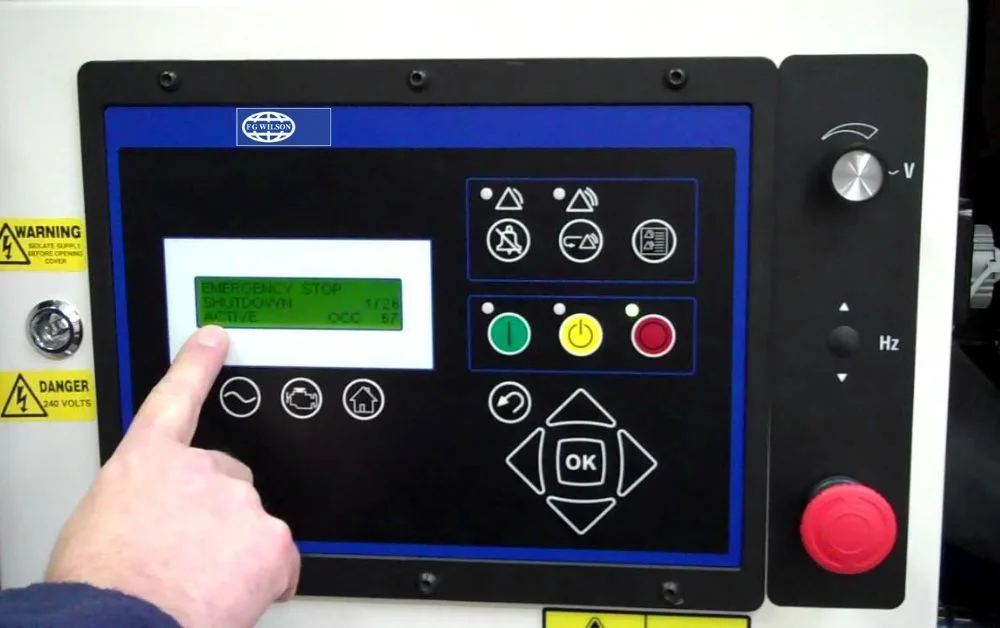
Automatic Mains Failure controllers for Qatar commercial and industrial applications must provide continuous three-phase monitoring of the Kahramaa utility supply, with configurable voltage and frequency thresholds that trigger the start sequence when supply quality falls outside acceptable limits. The start sequence must include configurable pre-start checks, an appropriate cranking strategy for Qatar’s ambient temperature conditions, and generator output acceptance criteria that confirm stable voltage and frequency before load transfer is initiated. For Qatar applications with strict transfer time requirements — data centres, hospitals, and process facilities — the AMF controller’s transfer time performance under actual loading conditions must be confirmed through witnessed commissioning testing, not relied upon from manufacturer specifications alone.
Paralleling Controls for N+1 Redundancy
Qatar’s most critical facilities — hospitals, data centres, LNG infrastructure, and major government buildings — specify N+1 or 2N generator redundancy, requiring control panels with precision synchronising and load sharing capability for parallel generator operation. A synchronising panel must match voltage, frequency, and phase angle of the incoming generator to the running busbar with sufficient precision that the paralleling contactor closes without creating an electrical or mechanical transient that trips protection systems or causes mechanical shock to rotating components. Load sharing controllers then distribute demand equitably among all operating generators and manage the graceful shutdown sequence for individual generators during maintenance without dropping supply to connected critical loads.
Find out more-Portable vs Standby Diesel Generator: Which One Should You Choose?
Remote Monitoring and Qatar Facility Management
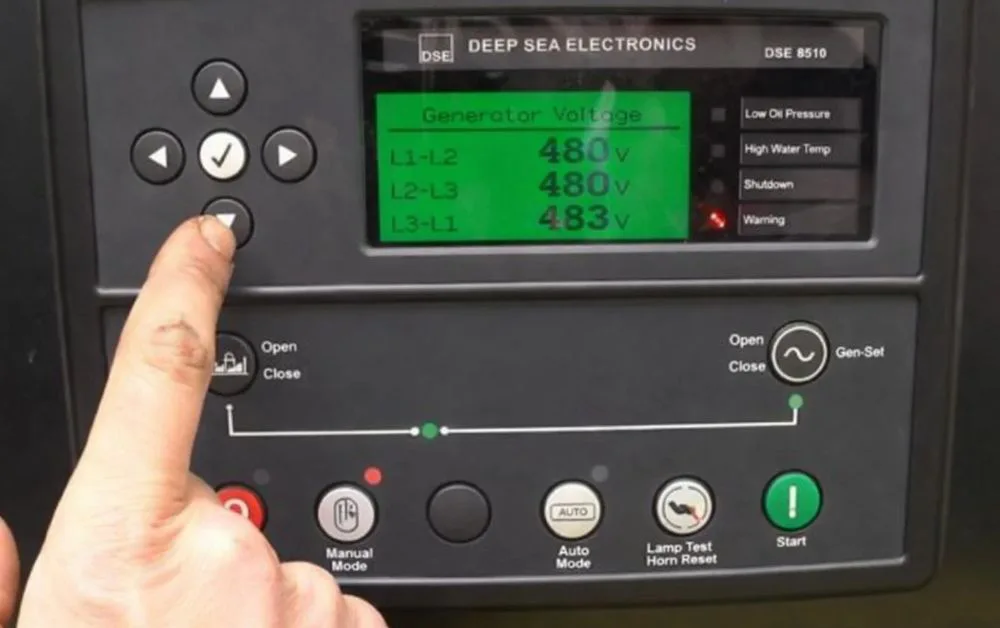
Qatar’s facility management sector operates sophisticated building management systems that expect all critical building services — including backup power systems — to provide real-time operational data through standard communication protocols. Generator control panels with Modbus TCP/IP, BACnet, or SNMP communication interfaces allow BMS integration that delivers generator operational status, alarm conditions, fuel level, output power, and engine parameters to the facility management platform in real time. For large real estate portfolios — hotels, office complexes, and mixed-use developments — centralised monitoring of the entire backup power fleet from a single management interface reduces the manual inspection burden and provides the operational visibility that proactive maintenance management requires.
Control Panel Quality Specification
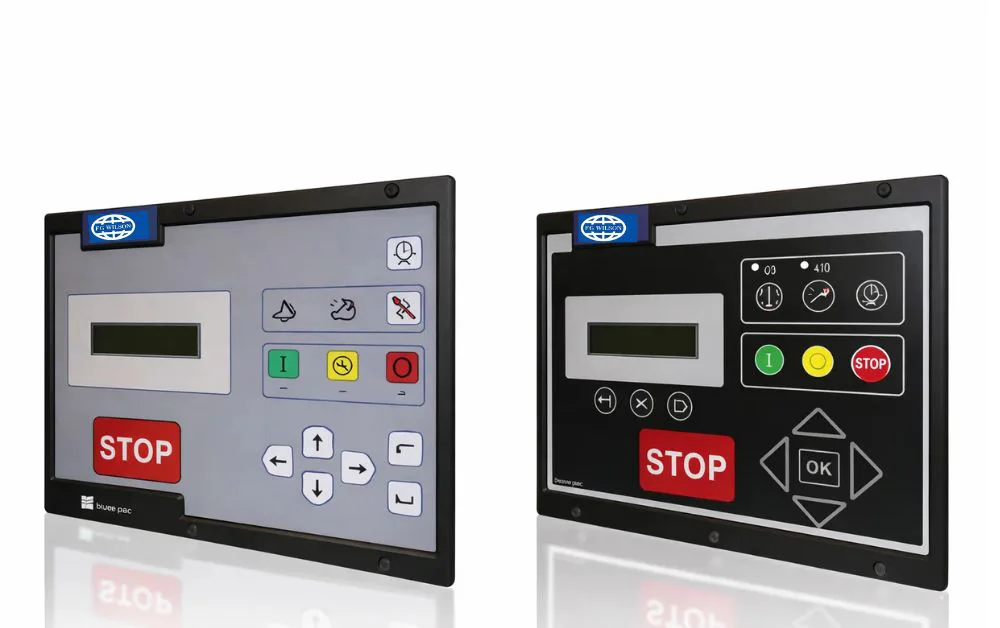
For Qatar backup power applications where system reliability is non-negotiable, generator control panels should be specified from manufacturers whose products combine comprehensive feature sets, documented reliability in high-temperature operating environments, active Qatar service and technical support, and firmware maintenance programmes that extend panel capability as facility management requirements evolve. Deep Sea Electronics, ComAp, and Stamford control systems consistently meet these criteria and are widely specified by Qatar’s most demanding end-users for precisely these reasons. Generic or house-brand alternatives may present initial cost advantages that are significantly outweighed by technical support limitations when faults develop or system modifications are required years after installation.
Testing and Commissioning Standards
Qatar backup power systems should be subject to comprehensive witnessed commissioning testing before handover. A proper commissioning programme includes no-load run verification of all engine protection functions, stepped load testing confirming voltage and frequency regulation performance at 25, 50, 75, and 100 percent rated load, simulated grid failure testing confirming AMF operation and load transfer timing under representative load conditions, and for parallel systems, synchronising and load sharing performance testing under various generator combination scenarios. All commissioning results should be documented in a witnessed commissioning report that forms part of the permanent installation record and the technical basis for the ongoing maintenance programme.