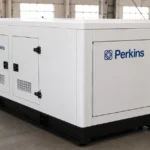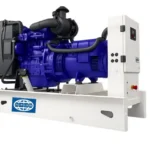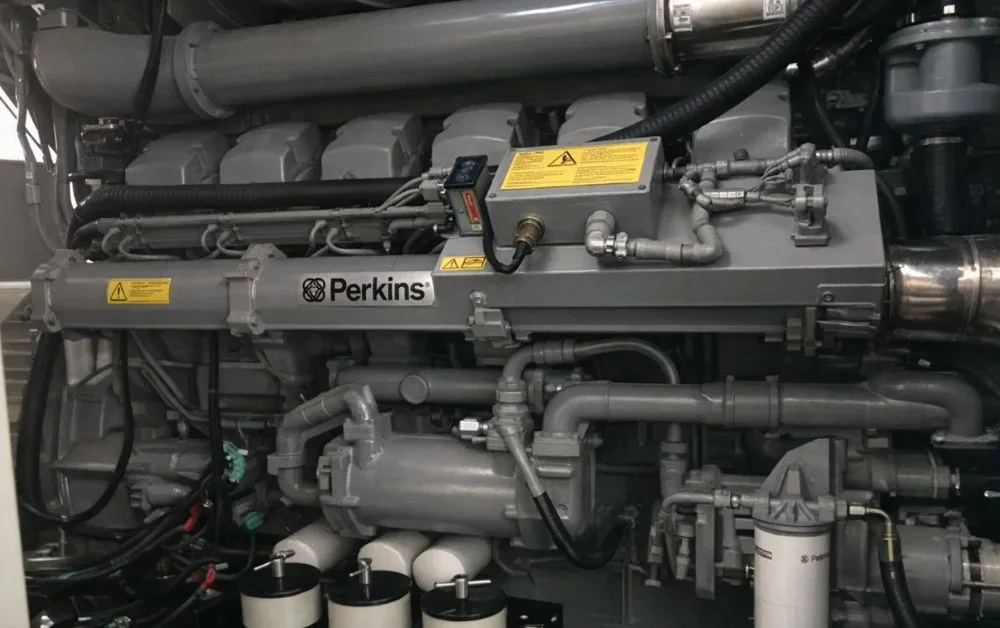
When it comes time to service or repair a Perkins-powered generator, one decision arises that has a significant impact on the generator’s ongoing performance, reliability, and warranty status — whether to use genuine Perkins parts or aftermarket alternatives. The aftermarket parts market is large and offers components that may appear functionally equivalent to genuine parts at a lower price. However, the differences between genuine and aftermarket components are not always visible on the surface, and the consequences of choosing incorrectly can be far more costly than any apparent saving. Laurus Technologies LLC, as Qatar’s authorised FG Wilson distributor, maintains a comprehensive inventory of genuine Perkins parts and advises all clients on the importance of this choice.
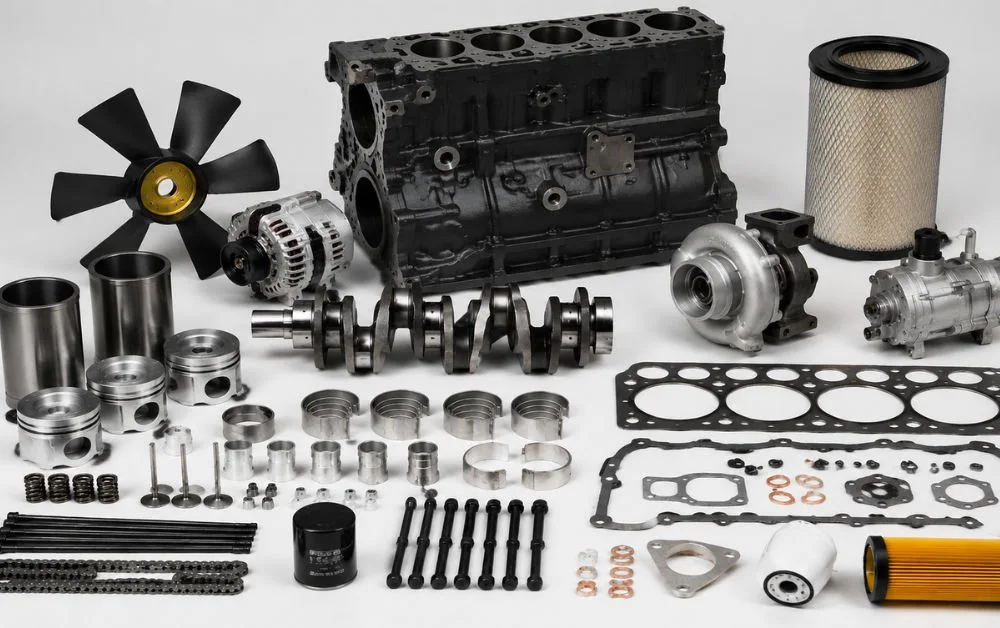
Understanding What Genuine Perkins Parts Actually Are
A genuine Perkins part is a component designed, tested, and approved by Perkins to meet the precise engineering specifications of its engines. Every dimension, material composition, surface treatment, and performance characteristic of a genuine part has been determined by Perkins engineers through a combination of computer-aided design, laboratory testing, and real-world operational validation. Genuine parts are produced under quality management systems certified to international standards and are supplied through authorised distribution channels with full product traceability. When you install a genuine Perkins part, you are installing a component that has been proven to work correctly in your specific engine under the conditions it will face.
What the Aftermarket Parts Industry Provides
Aftermarket parts are produced by manufacturers who have not been involved in the original engine design and do not have access to Perkins’s proprietary engineering data, manufacturing tolerances, or material specifications. They work from reverse engineering of the original parts to produce what they believe to be a compatible equivalent. The quality of aftermarket parts varies enormously — some are produced by reputable engineering companies to high standards, while others are manufactured with minimal quality control in environments where cost reduction is the primary objective. The fundamental problem is that without the original engineering data, it is impossible for any aftermarket manufacturer to guarantee true equivalence with the original part in all operating conditions.
The Real-World Consequences of Using Aftermarket Parts
Accelerated Wear and Reduced Component Life
Components that do not meet the original dimensional or material specifications wear faster than genuine alternatives. An oil filter with a slightly lower filtration efficiency allows more particulate matter to circulate through the engine, accelerating wear on bearings, cylinder walls, and the valve train. A gasket made from inferior heat-resistant material fails sooner under the thermal cycling of normal engine operation, leading to fluid leaks that damage surrounding components and require additional repair work. Each failure compounds the maintenance cost and increases the cumulative downtime of the generator.
Performance Degradation
Perkins engines are calibrated to deliver specific power output and fuel economy when all components are functioning within their designed parameters. Aftermarket parts that deviate from these parameters — even slightly — can affect combustion quality, fuel delivery accuracy, cooling efficiency, or lubrication effectiveness. The result is a generator that consumes more fuel per hour of operation, produces slightly less power than its rated output, or runs at a higher operating temperature than designed. Over time, these performance deviations compound and become more pronounced as the substandard components wear further from their already-compromised starting point.
Warranty Invalidation
The terms of FG Wilson generator warranties and Perkins engine warranties specify clearly that maintenance must be carried out using genuine, manufacturer-approved parts. The use of non-genuine parts during the warranty period can invalidate the warranty, leaving the equipment owner responsible for the full cost of any repairs that would otherwise have been covered. For a significant engine failure — which can cost many thousands of dollars to repair — the financial consequences of warranty invalidation dwarf the savings achieved on individual non-genuine parts over the preceding service cycles.
Additional resources-How to Spot Counterfeit Perkins Parts and Protect Your Investment
Parts Where Genuine Components Are Most Critical
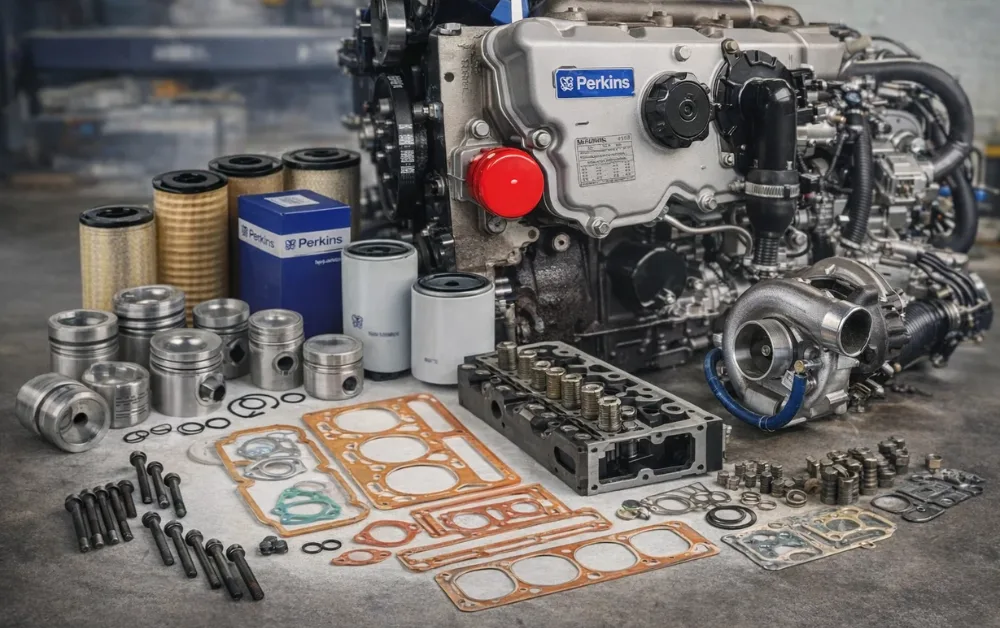
- Fuel injectors and injection pumps — precision components where dimensional accuracy directly affects combustion quality
- Oil filters — filtration efficiency directly affects engine wear rates
- Fuel filters — contamination of the fuel system causes injector damage and loss of power
- Head gaskets and manifold gaskets — material quality determines seal life under thermal cycling
- Piston rings and cylinder liners — dimensional accuracy is critical to compression and oil consumption
- Timing belts and tensioners — failure causes catastrophic engine damage with no warning
Where to Source Genuine Perkins Parts in Qatar
For businesses operating FG Wilson generator sets in Qatar, Laurus Technologies LLC is the authorised local source for genuine Perkins parts. Their parts inventory is sourced directly through FG Wilson (Engineering) FZE in Dubai, ensuring complete product authenticity and traceability. Their technical team can advise on the correct part references for any engine model and confirm compatibility before any component is ordered or installed.
Conclusion
The choice between genuine Perkins parts and aftermarket alternatives is not a minor procurement decision — it is a decision that affects the long-term performance, reliability, and warranty status of your generator. Laurus Technologies LLC provides Qatar businesses with access to genuine Perkins parts and the expert guidance to ensure every maintenance intervention protects the investment their clients have made in their power infrastructure.