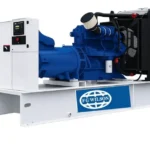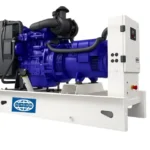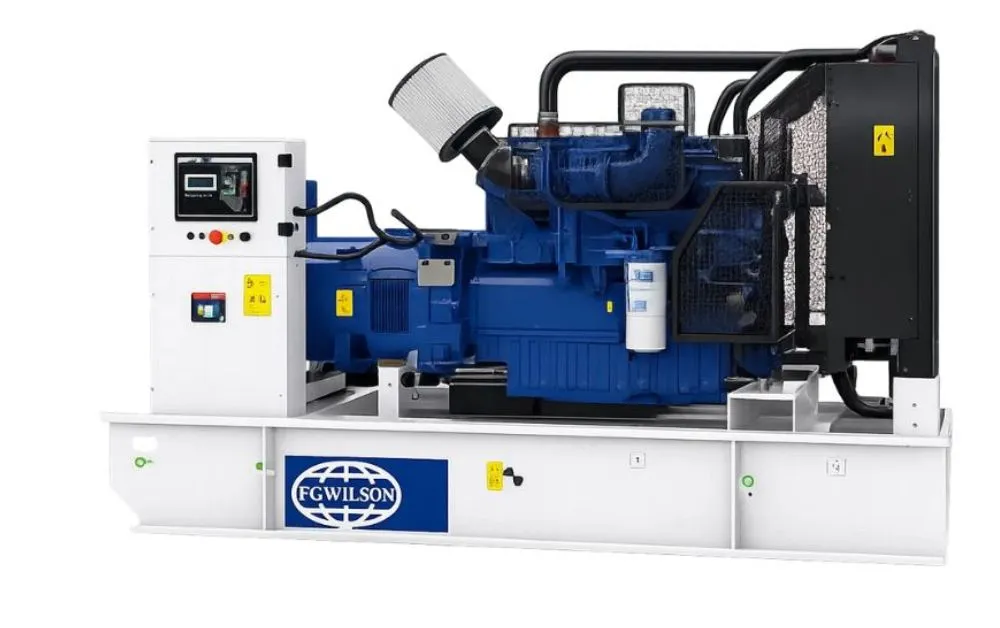
Diesel generators are super reliable when you want backup power, but they are not without their risks. We’re talking about potential dangers like fires, electric shock, & even carbon monoxide poisoning. So, it’s important to know how to use them safely. Fortunately, with just a little know-how & the right precautions, you can keep everything running smoothly without any headaches. Here are some practical safety tips to help you out:
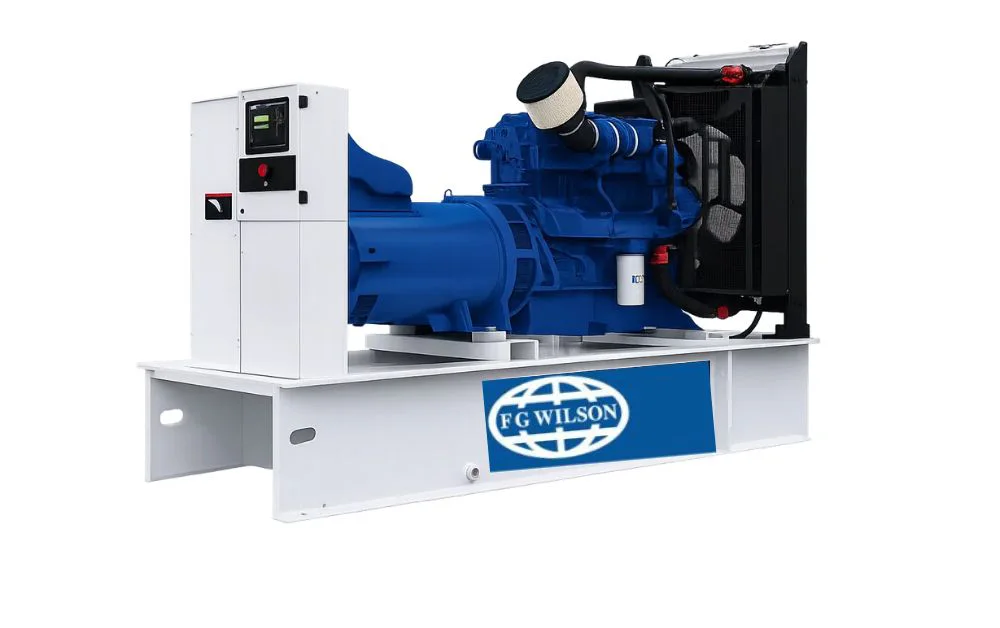
Get Your Generator Set Up Right
Before you even think about turning your generator on, make sure it’s set up properly. This is one of the most important steps. The location matters—your generator needs to be in a dry, well-ventilated space, & it should be easy to get to for maintenance. Definitely avoid putting it in any enclosed spaces, as it releases carbon monoxide, which is a dangerous, odorless gas. Also, make sure the generator is on a level, stable surface so it doesn’t tip over or vibrate too much. And when it comes to the electrical connections? Have a pro handle them! It’s the best way to avoid shocks or electrical fires.
Stick to the Manufacturer’s Instructions
Your diesel generator sets comes with a manual, and trust me—it’s there for a reason! Those instructions tell you how to operate the generator safely, how to handle the load, and what to watch out for to avoid accidents. Ignoring the manual can lead to all kinds of issues, from poor performance to complete breakdowns. So take a few minutes to read it and keep it handy, especially when you’re troubleshooting or needing to perform maintenance.
Check on It Regularly
Generators are pretty tough, but they still need some TLC. Regular checks are a must. Here’s what to keep an eye on:
- Fuel system: Check for any leaks around the fuel lines or tank. Diesel is highly flammable, so even a small leak can be risky.
- Battery and electrical connections: Look out for corrosion or loose wires. A loose connection could spark and cause bigger issues.
- Cooling system: Low coolant levels or damaged hoses can lead to overheating—definitely something you want to avoid.
- Exhaust system: Make sure exhaust pipes aren’t blocked, or you could end up with dangerous carbon monoxide buildup.
By doing these quick checks, you’ll catch any issues before they get serious.
Ventilate the Area Well
Here’s a big one: Diesel generators produce carbon monoxide, which is a huge safety concern if the generator is used in an area with poor ventilation. Never use the generator indoors, in a garage, or anywhere near windows or doors that could let the fumes into living spaces. Always operate it outside, or in a place with plenty of airflow. Just to be extra safe, consider installing a carbon monoxide detector nearby. It’s an easy way to give yourself peace of mind.
Related read:-Top 5 Benefits of Installing a 2500 kVA Diesel Generator Set
Don’t Overload the Generator
Generators can only handle so much. Overloading it can cause overheating, mechanical problems, or even a fire. Before turning the generator on, double-check your power needs & make sure the load doesn’t exceed what the generator can handle. And when you do start it up, gradually add the load—don’t hit it with everything all at once. Keeping things balanced means a longer life for your generator & a safer operation overall.
Be Careful with Fuel
Diesel fuel is highly flammable, so you need to be extra cautious around it. Always store fuel in approved containers and away from any heat sources or open flames. When you’re refueling the generator, make sure it’s off and has cooled down first—this will prevent the possibility of ignition from hot surfaces. If there’s any spilled fuel, clean it up immediately. And remember, no smoking or sparks near the fuel storage area!
Watch Out for Electrical Hazards
Generators generate high-voltage electricity, which means there’s a serious risk of electric shock if you’re not careful. Don’t touch the generator with wet hands, & don’t use it in wet conditions unless it’s properly grounded. If you’re using extension cords, make sure they’re rated for the load you’re running and are in good condition. And it’s always smart to have circuit breakers or fuses in place to prevent overloading. Make sure anyone using the generator knows the basics of electrical safety, too—better safe than sorry.
Wrapping It Up
Diesel generators are incredibly useful, but like any piece of equipment, they come with risks. By following these safety tips you’ll keep everything running safely and smoothly. If you’re looking for a high-quality diesel generator or need expert advice, Laurus Technologies LLC is here to help.