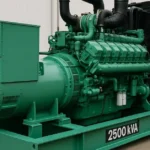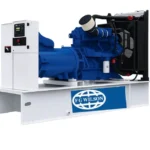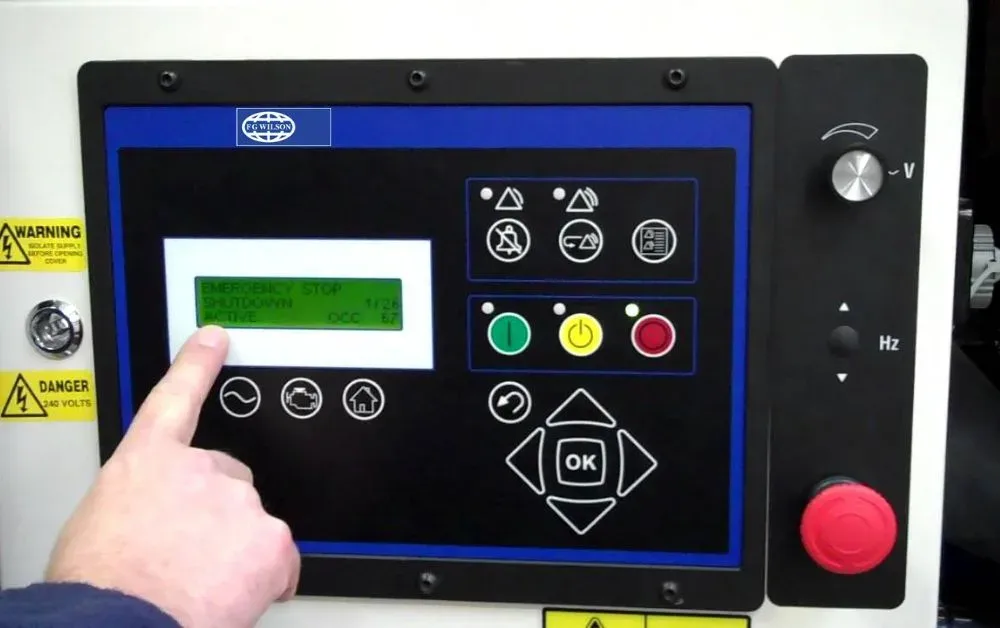
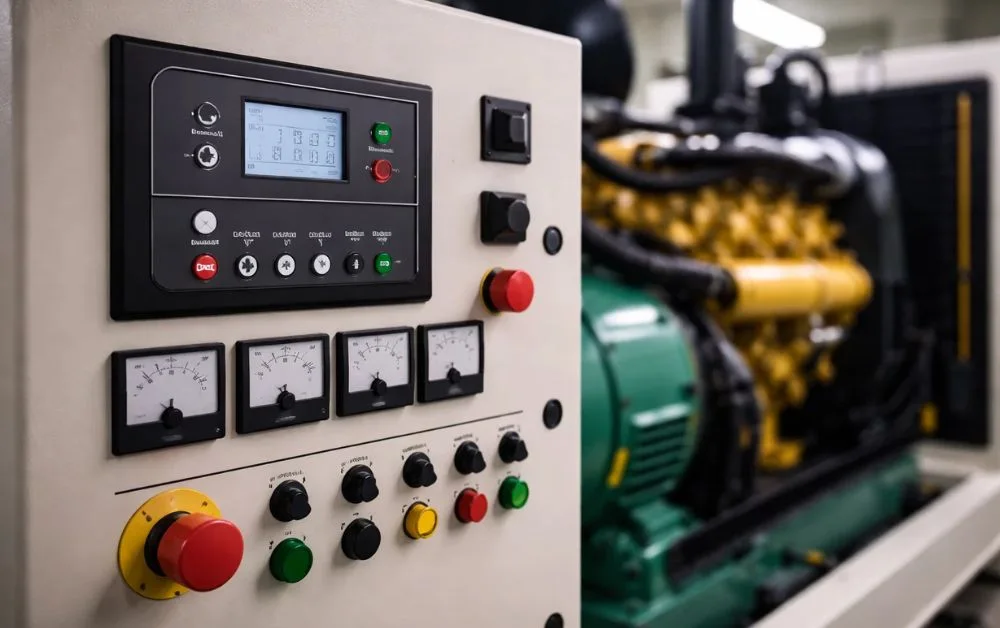
When a generator is the backbone of your power supply, the Generator Control Panels act as the brain. These panels regulate operations, monitor performance, and protect the generator from costly failures. But like any equipment, they are prone to specific problems that can compromise efficiency and reliability. If not addressed on time, these issues could lead to power interruptions, unexpected downtime, and significant repair costs.
Let’s explore the five most common Generator Control Panel problems and how to fix them before they turn into expensive headaches.
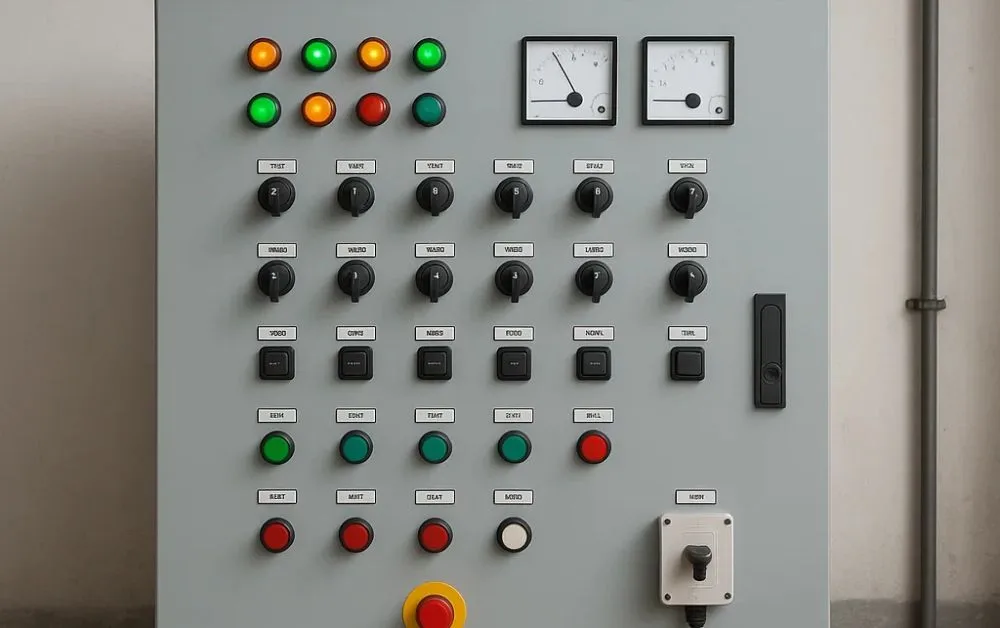
1. Faulty Wiring and Loose Connections
One of the leading causes of control panel malfunctions is faulty wiring or loose electrical connections. Over time, vibrations from generator operation or poor installation practices can weaken connections.
Signs of the problem:
- Intermittent power loss
- Flickering displays on the panel
- Unusual burning smell or sparks
How to fix it:
Regularly schedule inspections of the Generator Control Panels, paying close attention to wires and terminals. Tighten loose connections and replace worn-out or corroded wires immediately. Using high-quality wiring components also reduces recurrence.
2. Sensor Failures
Sensors inside control panels are responsible for monitoring critical parameters such as voltage, current, and engine temperature. When these sensors fail, they can send inaccurate signals, leading to unnecessary shutdowns or missed alerts.
Signs of the problem:
- Alarms triggering without cause
- Inconsistent readings on the panel
- Failure to detect overloads or overheating
How to fix it:
Calibrate sensors regularly and replace defective ones. Opt for original manufacturer-approved sensors for compatibility and durability. Preventive maintenance is key here—don’t wait for a complete failure to act.
3. Software or Firmware Malfunctions
Modern Generator Control Panels rely heavily on software and firmware to manage automation, load sharing, and synchronization. Bugs, outdated firmware, or corrupted software can cause the system to freeze or respond incorrectly.
Signs of the problem:
- Panel interface becomes unresponsive
- Delays in start/stop commands
- Incorrect reporting of generator data
How to fix it:
Always keep firmware and software up to date with the latest manufacturer releases. Regularly back up configuration files so settings can be restored quickly after an update or reset. If issues persist, consult the panel manufacturer or a certified technician.
Related read:-The Top 5 Features to Look for in a Modern Diesel Generator Control Panel
4. Overheating of the Control Panel
Heat is one of the biggest threats to electronics, and Generator Control Panels are no exception. Poor ventilation, excessive dust, or continuous operation in high-temperature environments can overheat the panel.
Signs of the problem:
- Panel surface feels hot to touch
- Frequent tripping or shutdowns
- Burnt components inside the panel
How to fix it:
Ensure panels are installed in a well-ventilated location. Clean dust filters and internal components regularly to improve airflow. Installing additional cooling fans or air-conditioning units for panels in high-temperature areas can also prevent overheating.
5. Human Errors and Poor Maintenance Practices
Not all problems are technical—many stem from human error. Misconfigured settings, improper testing, or lack of maintenance can lead to failures in Generator Control Panels.
Signs of the problem:
- Generators failing to start during an outage
- Unexpected trips due to incorrect load sharing
- Prolonged downtime after minor faults
How to fix it:
Train staff to handle control panels correctly and follow standard operating procedures. Establish a routine maintenance schedule to detect issues early. Documentation of settings and repairs helps reduce mistakes during future servicing.
Proactive Maintenance: The Key to Reliability
Most generator failures are avoidable with preventive action. Routine inspections, timely replacement of worn components, and software updates can save both time and money. Treat the control panel not just as an accessory but as the central command system of your generator.
By taking these steps, you ensure that your generator remains reliable, efficient, and ready to perform during critical times.
Conclusion
Ignoring issues with Generator Control Panels can result in costly downtime and even damage to your generator. From wiring checks to firmware updates, proactive care keeps the system reliable and ensures uninterrupted performance. For businesses seeking dependable solutions, expert consultation, and high-quality equipment, Laurus Technologies LLC stands out as a trusted name. Their expertise ensures your power systems remain resilient, efficient, and future-ready.